Devoq Design designs travel and hospitality products that turn browsing into booking: online travel agencies, hotel and resort websites, tour operator platforms, airline and rail booking flows, and guest apps. Research-led, accessible to WCAG 2.2 AA and built around the PMS, CRM and GDS systems you already run, with AI speeding drafts and senior designers deciding what ships.
Travel and hospitality UI/UX design for the whole trip, from search to check-out
A traveler meets your brand many times: a search on a phone during a commute, a comparison on a laptop at night, a confirmation email, a check-in kiosk, a message to the front desk. Each touchpoint either builds confidence or leaks a booking. The same leaks appear in most travel products we audit. A family on a tablet sees one price, then a different total at payment once taxes and resort fees appear; we show the full amount from the first result. A business traveler changing a flight at a gate cannot find the change policy and calls the contact center; we put fare rules and change costs on the fare card itself. A guest on a slow lobby connection waits for a hero video before the rate calendar loads; we sequence pages so availability loads first. A front-desk agent switches between the PMS and a messaging tool and misses a request; we bring both into one staff screen. Whether you run a hotel group, an OTA, a cruise line, a tour operator or a vacation rental platform, we deliver interfaces that guests trust, staff can run and your engineers can build against the systems you already have.
Travel and hospitality design services for websites and apps
Two focused services, each shaped by how travel is searched, booked and managed:
Travel Website Design
Hotel, tour operator, airline, destination and OTA websites with booking engines designed for conversion, accessibility and search visibility. Rate calendars, room and itinerary pages, offers and checkout are planned around your PMS and booking engine, so the direct channel competes with the OTAs on ease, not only price.
Booking apps, guest apps, itinerary managers and loyalty products designed mobile-first and built with your reservation stack. Boarding passes, digital keys and confirmations work offline, notifications arrive when plans change, and loyalty status is visible at the point of booking rather than buried in a profile.
Travel and hospitality UI/UX design by Devoq Design covers the parts that decide whether a trip gets booked:
Booking flows that hold
Date pickers, room and fare selection, add-ons, guest details and payment designed so the price shown at search is the price paid at checkout, on every screen size. We map every point where a total can change, taxes, fees, currency, occupancy, and surface it before the guest commits. A flow that surprises the guest at step four ends in an OTA tab.
Integrated with your stack
We design around your PMS, CRM, channel manager and GDS connections, so availability, rates and loyalty data on screen match what the systems can deliver. Before wireframes we document what each API exposes and how fresh the data is, then design states for stale, partial and missing responses, because screens promised before the data is confirmed are the usual cause of launch delays.
Payments and privacy handled
Card pages laid out for PCI DSS 4.0.1 tokenized payment, with GDPR and UK GDPR consent, data minimization and clear cancellation terms drawn into the flow. Guest profiles collect only what a stay needs, passport and loyalty fields appear when a route or rate requires them, and marketing consent is a separate, unticked choice. We document each decision so your compliance review has the reasoning on hand.
Agentic AI with guardrails
61% of travel executives are experimenting with or scaling agentic AI (Phocuswright via ITB, Mar 2026). We design assistant and agent features with visible sources and a human escape hatch. A trip-planning assistant shows which rates and policies it drew on, confirms before it books, and hands off to an agent with the conversation intact. Our AI integration work starts from what the assistant must never do.
Hotels and Resorts
Online Travel Agencies
Tour and Activity Operators
Airlines, Rail and Cruise
Approach Section
Our Approach to Travel and Hospitality UI/UX Design
Discovery and Research
01
Interviews with revenue, operations and guest-service teams, booking analytics review, and a map of the systems and markets your product must serve. We also read contact center logs and cancellation reasons, because the questions guests ask by phone show which screens fail them.
Journey Mapping
02
Search, compare, book, pre-arrival, stay and post-stay flows mapped for each guest type, from solo business travelers to families and groups. Each map records the device in use, the data the screen depends on and the policy, such as a non-refundable rate, that must be visible at that step.
Wireframes and Prototypes
03
Clickable booking, itinerary and account flows tested with real travelers before any visual design is applied, so structure is proven first. Participants book a specific trip on their own phone, and we watch for the moment they look for a price or a policy and cannot find it.
UI Design and System
04
A visual language that carries destination imagery without hiding prices or buttons, with accessible color, type and component states. Rate cards, calendars, galleries and policy blocks become documented components with tokens for every state, including sold out, on request and member only.
Handoff and Optimization
05
Developer-ready files and tokens, then conversion-led improvements after launch as booking data comes in from real guests. We review search-to-booking funnels by device and market and run usability testing on the steps that still lose guests.
Why Devoq Design?
We design the trip-planning experience as carefully as the trip itself.
Travel Industry Experience
Booking engines, hotel sites, tour platforms and guest apps designed with conversion, operations and compliance in one brief. Work such as the Travelcall booking app shows how we handle search, pricing and payment on a small screen.
Conversion-Led Design
Every flow judged by one measure: can a first-time visitor find, price and book the right trip without calling you. We track abandonment by step and device, then redesign the step, not the whole site.
Built for Integration
Designs scoped against PMS, CRM, GDS and channel manager capabilities so nothing promised on screen fails in the back office. Error and fallback states are drawn for the days a connection is slow.
Accessible by Default
Designed to WCAG 2.2 AA so guests using screen readers, keyboards or larger text can book as easily as anyone else. Calendars, seat maps and image galleries, the usual accessibility failures in travel, get keyboard paths and labels from the first wireframe.
Multi-Market Ready
Currencies, date formats, languages and consent rules for US, UK, European, Australian and New Zealand guests planned from the start. One booking flow shows the right tax treatment, address fields and payment methods per market.
AI Speed, Senior Review
AI drafts layouts, copy and research summaries about 5x faster; senior designers decide every screen that ships. The speed goes into more variants tested with travelers, not into fewer review rounds.
Discover Our Case Studies
Explore Compelling Case Studies: Real Solutions, Real Success Stories
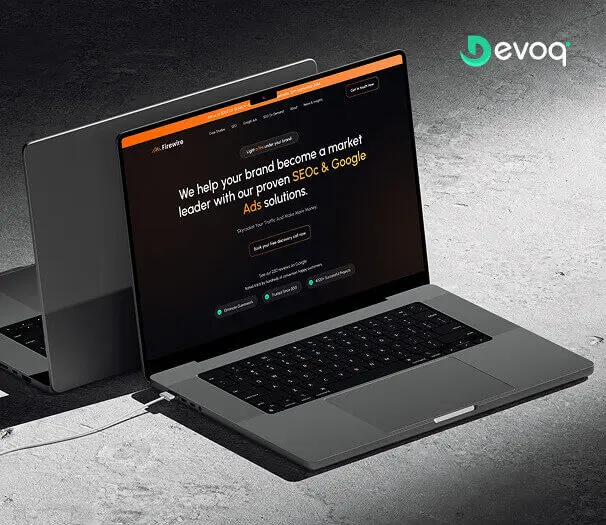
We crafted a sleek and intuitive website for Firewire, a digital marketing company specializing in SEO and Google Ads, to showcase their expertise and results. Our design highlights their data-driven approach to connecting businesses with their audience.
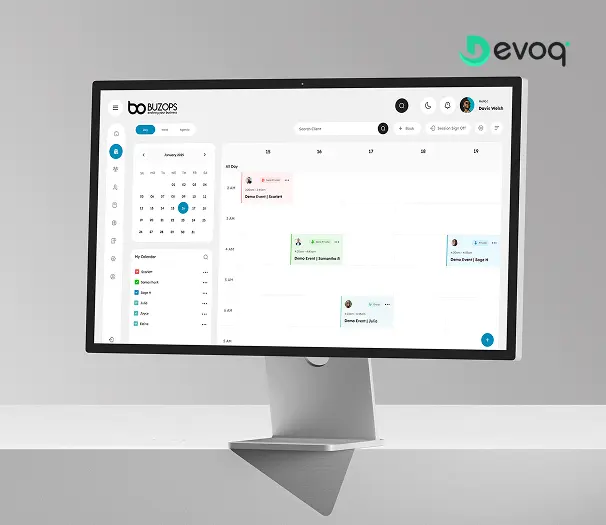
We created a clean and scalable SaaS experience for Buzops, helping businesses manage operations, automate workflows, and improve customer engagement through a unified platform.
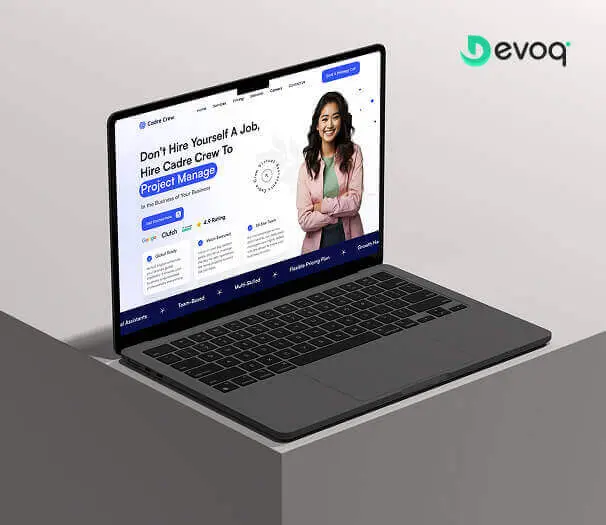
We designed and developed a user-friendly website for Cadre Crew, a company that helps growing businesses scale operations with virtual assistant and project management services. Our goal was to create an intuitive and efficient experience for their users.
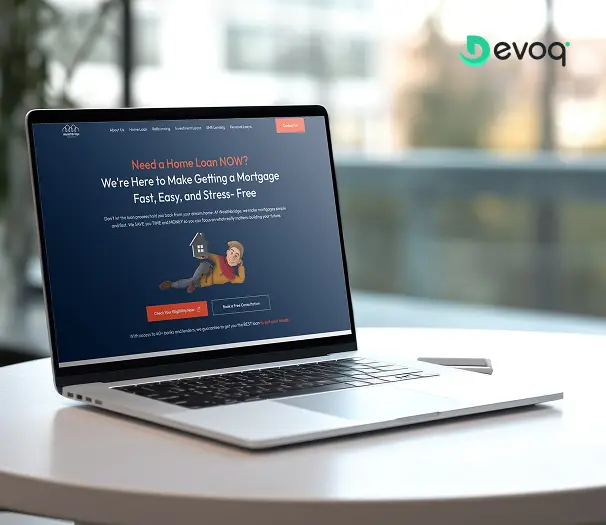
We built a modern online platform for Wealth Bridge, a mortgage and loan comparison service. The goal was a credible, easy-to-use experience that makes complex loan information simple. With a focus on clarity, performance and smooth interaction, the site helps borrowers compare home-loan products and choose the right one with confidence.
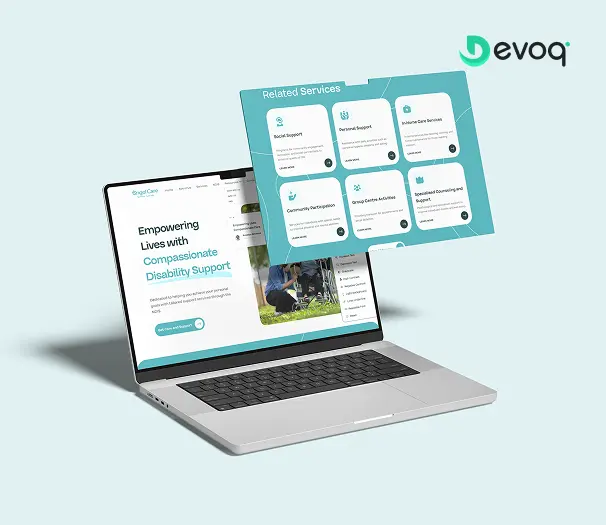
We created a compassionate and accessible digital experience for AngelCare, simplifying care discovery, improving NDIS understanding, and empowering users to access personalized support services with ease.
What do travel and hospitality UI/UX design services include?
Traveler research, journey mapping, booking flow design, wireframes and clickable prototypes, visual design, design systems, accessibility checks and developer handoff for hotel and resort websites, online travel agencies, tour operator platforms, airline and rail booking and guest-facing mobile apps. Each engagement also includes an integration map of your PMS, CRM and GDS data and a documented set of compliance decisions covering payment, consent and cancellation terms.
Can you redesign our existing booking engine or hotel website?
Yes. We begin with a UX audit and funnel analytics to find where searches stop short of bookings, then redesign the steps that are measurably losing guests while keeping your PMS, channel manager and payment integrations in place. Work is staged: rate calendar and checkout first, since they carry the revenue, then room, tour and offer pages, so the booking engine keeps taking reservations throughout.
How do you handle payments and guest data?
Payment pages are designed for tokenized, PCI DSS 4.0.1 aligned checkout, and consent, data minimization and cancellation terms follow GDPR and UK GDPR for European guests and the Australian and New Zealand Privacy Acts where you sell there. Guest profiles ask for passport or dietary details only when a route or rate needs them. We document the design decisions for your compliance review rather than offering legal advice.
Do you design AI trip-planning or concierge features?
Yes. Booking Holdings reported that agentic tools cut average cost per booking by about 10% in 2025 (Morgan Stanley TMT, Mar 2026). We design assistants, agent flows and recommendation surfaces with visible sources, clear pricing and an easy route to a human agent. The assistant confirms before it books or changes anything and passes the full conversation to staff when it hands off, so a guest never repeats themselves.
Will the design work with our PMS, CRM or GDS?
We start by documenting what each system can expose: availability, rates, loyalty tiers, guest profiles, and how often each refreshes. The interface is then designed to that capability, so your engineers connect existing APIs rather than rebuilding the stack around the design. Where a system cannot supply live data, such as partner tour availability, we design an on-request state instead of pretending.
How much does travel and hospitality UI/UX design cost?
Cost depends on the number of booking paths, guest types, screens and integrations, and on whether research and testing are included. A single-property hotel site with one booking engine is a smaller scope than an OTA with flights, hotels and packages across five markets. After a short discovery call we quote a fixed price for a defined scope or a monthly retainer for products that keep changing, such as a platform that adds suppliers or markets every quarter.
How long does a travel design project take?
The drivers are the number of guest types and booking paths, the screens each path needs, how many systems the designs must be checked against, and whether traveler research and usability testing are in scope. A hotel group with several brands sharing one design system takes longer at the start and less for each later property. We set the schedule in the discovery call and plan releases around your peak booking season.
Which travel businesses do you work with?
Hotel groups and independent properties, resorts, vacation rental platforms, online travel agencies, tour and activity operators, destination marketing organizations, airlines, rail and cruise lines, and travel technology startups building for any of these segments. The common thread is a product where a guest must search, compare, pay and change plans on a phone, with a reservation system behind it. Files, research and prototypes are yours from the first week.
Contact Us
Building a travel or hospitality product? Let’s talk