

Hire UI UX Designer Who Owns Your Interface Layer
Bring on a vetted UI/UX designer from Devoq Design who owns research through handoff for your product interface. Embedded in your roadmap, working in Figma with your engineers, accountable to journeys users can finish, so you hire one design owner, not three specialists you still have to glue together. Ideal when a founder or PM needs the whole interface layer owned without starting a multi-role design department.
 Vetted designer shortlist
- Trial sprint before you commit
- 100% design file ownership
- NDA-backed from day one
- 5 → 2verification screens, learned once (Minxpay case study)
- 26Clutch reviews, 5.0 rating
- 357+projects shipped for 196+ clients
Trusted by product teams and rated on independent review platforms


What does a dedicated UI/UX designer actually do?
A dedicated UI/UX designer owns discovery, flows, UI, prototypes and developer handoff for the product interfaces you ship. At Devoq Design, that generalist embeds with your founder or PM so one person owns the whole interface layer, not three specialists you still have to glue together.
The craft spans stakeholder discovery, journey mapping, information architecture, wireframes, high-fidelity UI across the breakpoints you support, clickable prototypes, a named component set, and annotated specs for empty, error and loading states. They join standups, own a backlog slice and review builds against the file, so founders and early PMs get an interface owner rather than a specialized analytics, platform or design-ops program on day one.
Key takeaways
UI/UX at Devoq Design means one accountable path from research through UI and handoff, not UX research alone, and not visual polish without flows.
A dedicated designer embeds in your process; a marketplace freelancer typically delivers isolated frames without owning the journey end to end.
Figma is the working environment and handoff channel. This hire is not a Figma library recovery or variables-architecture engagement.
The three practical hiring routes are a dedicated designer, an extended product design pod, or a defined-scope redesign against a written brief.
Clarity on NDA, IP assignment and who owns the Figma files should be settled in writing before design work begins.

 Business Challenges
The problems teams bring us before they hire
Most founders and PMs do not start by searching to hire a UI UX designer. They start with a symptom: screens that disagree with each other, engineers guessing at states, a freelance file nobody trusts, or a release that generated more support tickets than momentum. Looking usually begins after a painful ship, a stalled roadmap item labeled “someone who can just own design,” or a freelancer handoff that left more questions than answers. These are the six we hear most often, and how each one gets resolved without pretending every product needs a specialized pod on day one.

Screens shipped with no shared system
Every release invents new spacing, buttons and patterns. Users relearn the product every time, and engineers stop trusting the design file because yesterday’s button is not today’s button.
How we resolve it
Establish a named component set and styles for the surfaces in scope, then retrofit priority journeys so new work extends the system instead of forking it. The goal is coherence for what you ship next, not a museum of every historical screen.
Orphaned Figma files from past freelancers
Layers unnamed, frames duplicated, no owners, and “final_v7” sitting beside the real product. Nobody knows what is approved to build, so engineering opens production and reverse-engineers intent.
How we resolve it
Audit what is live versus what is decorative, rebuild a clean working file for the journeys that matter, and define a single source of truth your team will actually maintain. Deep library recovery belongs on the Figma designer lane when the file itself is the product.
Engineering builds without flows
Tickets describe screens, not journeys. Happy paths ship; empty, error and edge states arrive as production surprises that support and QA discover after customers do.
How we resolve it
Map critical paths end to end first, specify states before sprint commitment, and hand off annotated behavior so implementation matches intent, not a flattened mock. Design QA against builds catches the gaps while the sprint is still open.
Nobody owns research through handoff
UX notes live in one place, UI in another, and handoff is a Slack thread. The founder ends up stitching decisions between vendors and becomes the unpaid design manager.
How we resolve it
Put one designer on the full interface layer: discovery inputs, IA, UI, prototype and developer-ready specs under a single backlog and review cadence. Specialists can join later when the bottleneck is truly specialized.
Hiring a design pod takes a quarter
You need output now, but recruiting a researcher, UI designer and design-ops hire separately is budget, management overhead and calendar you do not have while the product is already in market.
How we resolve it
Shortlist a generalist UI/UX designer who can cover the full path for your current stage, validate them on a real backlog slice, then add specialists later when scope genuinely requires them.
Usability complaints after a painful release
Support tickets pile up around “where do I…?” while the roadmap stalls waiting for design ownership. Marketing may still look sharp; the product people use every day does not.
How we resolve it
Start with the journeys generating the noise, redesign those paths with a clickable prototype stakeholders can validate, then hand off cleanly so the fix ships as designed rather than as another partial patch.
Why a Generalist UI/UX HireWhy teams hire one interface owner before a pod of specialists
Specialists matter when the bottleneck is clear. When the problem is “our product interface has no owner,” a generalist UI/UX designer is usually the calmest path back to coherent shipping, without forcing a SaaS-metrics, mobile-platform, dashboard-density or Figma-ops framing first. This section is about why that hiring shape fits founders and early PMs; it is not a claim that every later-stage product should avoid specialists forever.
One accountable path across the layer
Discovery, IA, UI, prototype and handoff stay with one person who understands the trade-offs between them. You stop losing context every time a phase vendor rotates off the project, and you always know who to ask when engineering finds an unspecified state.
Right-sized for founder and early PM teams
Small product teams rarely need three design roles on day one. A dedicated generalist covers the interface work while you learn which specialist lanes (if any) later create leverage. That learning is cheaper when one person has already shipped coherent journeys.
Web product UI and light mobile screens together
Many products need responsive product UI plus a modest set of app screens. One designer can cover that breadth without forcing a platform-only mobile hire for the entire engagement. When store conventions and gestures become the center, escalate to the mobile app designer lane.
Handoff engineers can actually build from
Done means annotated states, spacing and behavior in Figma, not PDFs after implementation. Design QA against builds keeps intent intact through the sprint, which is where “pretty in the file” usually dies without an embedded owner.
Room to escalate into specialist lanes
When activation metrics dominate, admin density dominates, file hygiene is the blocker, or App Store platform conventions are the brief, we point you to the matching hire lane instead of stretching this role past its center. Honest routing beats a forced generalist.
Continuity that compounds across releases
Embedded designers carry decisions into the next cycle. Freelancer frames expire; a dedicated interface owner leaves a system your team can keep extending after the engagement, and a written record of why the interface looks the way it does.
 Why Devoq Design
Why businesses hire UI UX designers from us
Devoq Design is a design-led studio: 357+ projects, 196+ clients, 34+ people, 7+ years shipping product interfaces, rated 5.0 on Clutch. Designers sit with product and engineering, not in a parallel agency lane that throws files over a wall. Offices in Ahmedabad, Ajax (Ontario) and Sacramento (California) keep client collaboration practical across regions.
Senior designers who ship interfaces
We place designers who have owned product UI end to end, not junior visual polish on someone else’s flows. Shortlists favor people who can defend journey decisions in a working session with your PM and engineers, including the boring states that never appear on Dribbble.
Onboarding measured in days, not quarters
Discovery call, matched profiles, your interviews, then a trial sprint on a real backlog item. No long notice-period gap while your roadmap waits on a permanent hire you have not found yet. You evaluate craft against your product, not against a generic test file.
Design and build partners in one studio
When you need engineers beside design, the same studio can extend into front-end or mobile engineering under coherent delivery. Interface intent does not die in a vendor handoff between firms that have never shared a stand-up.
Capacity that tracks your roadmap
Start with one designer; add a second for a redesign push or bring research depth when a study is truly required. Composition can flex without restarting procurement each time you discover the next painful journey.
Real overlap with your working day
Meaningful timezone overlap and written updates your whole team can see, not a single account manager relaying design decisions second-hand. Reviews happen when your stakeholders can attend, not only when a distant vendor prefers.
Contracts that protect the client
Mutual NDA, IP assignment and clear ownership of Figma files and documentation. The designs, prototypes and handoff artefacts are yours from the first working session, with transfer expectations written before work begins.
Have a product interface that needs an owner?
Send a short brief: surfaces, stage, and who owns product decisions today. We will come back with matched UI/UX designer profiles and a clear recommendation on dedicated versus scoped work.
 Services Included
What hiring a UI/UX designer covers
Whether you engage a single designer or a small pod, the same breadth of interface work is available from day one. Nothing on this list is held back as a surprise add-on mid-sprint. Scope still matters: we will not pretend a greenfield foundation and a single-path fix are the same calendar: but the craft menu below is what a generalist UI/UX engagement can draw from without changing vendors.

Product discovery for interface decisions
Stakeholder workshops, problem framing and lightweight user input so design starts from the jobs people need to finish, not from a mood board alone. Outputs are decisions your PM can put on a roadmap, not theater.

Information architecture and user flows
Journey maps and flow diagrams that show how screens connect, where decisions branch, and which states the product must support before visual UI begins. This is where expensive wrong turns get cheap.

Wireframes that lock structure early
Low- and mid-fidelity layouts for priority paths so hierarchy and content are agreed cheaply, before high-fidelity polish makes every change expensive and political.

High-fidelity UI across supported breakpoints
Interface design for the web and product surfaces in scope, with spacing, typography and components applied consistently rather than reinvented per screen or per freelancer habit.

Clickable prototypes for stakeholder review
Interactive prototypes that let founders, PMs and engineers click the journey before build, so disagreements surface in Figma, not in a released build your customers already dislike.
Component sets and interface styles
Named components and styles for the screens you are shipping now: enough system to stay coherent without turning the engagement into a multi-month design-ops program that freezes shipping.

Annotated developer handoff
Specs for states, spacing and behavior so engineering implements intent. Design QA against builds catches drift while the sprint is still open and fixes are still affordable.

Usability-minded iteration after feedback
When support noise or review sessions reveal friction, we revise the path and re-hand off, not freeze a pretty file nobody can change without commissioning another vendor.

Light responsive and companion screens
Product UI that holds up across breakpoints, including modest mobile or tablet screens when they are part of the same product, not a standalone App Store platform program with store-listing craft as the hero deliverable.
Need a specialist instead? Live SaaS metrics work, platform mobile shipping, dense admin consoles and Figma systems each have their own hire lane: ask us which fits before you force a generalist into the wrong brief. Sibling links below point to the closest live alternatives today. SaaS product (activation UX), Mobile platform app design, Figma libraries & Dev Mode and Admin dashboard density developers.
Surfaces We DesignWhere a UI/UX generalist owns the interface
This role centers on the product interface you ask users to live in, not marketing campaigns, not platform-store craft as the main brief, and not an org-wide Figma recovery. Section nine on engineering hire pages often lists devices; here we list the surface types a generalist interface owner typically covers so buyers can self-select honestly.
Authenticated product web UI
The logged-in experience: navigation, core tasks, settings that do not sprawl into chaos, and patterns that stay recognisable as features accumulate. This is usually where founder and PM pain concentrates after marketing sites already look finished.
Responsive product breakpoints
Layouts that hold hierarchy from large desktop canvases down through tablet and phone widths when your product is used across devices in the browser without becoming a separate mobile-platform program.
Onboarding and first-run journeys
First sessions designed so people reach a meaningful outcome. Framed as clarity of the path, not as a SaaS activation analytics engagement with funnel dashboards as the success definition.
Light mobile product screens
Companion or primary app screens when they share the same product model. For HIG/Material-first shipping and store listing craft, use the mobile app designer lane rather than stretching this page’s promise.
Shared components across features
A coherent set of interface building blocks so new features look like the same product. Deep library architecture and variables ops belong with a Figma specialist when file hygiene (not journey ownership) is the bottleneck.
Handoff surfaces engineers trust
Specs, prototypes and design QA checkpoints that make implementation predictable, so “looks fine in Figma” becomes “ships as specified,” which is what “done” means for this hire.
Design StackThe tools our UI/UX designers work in
We pick tools that keep research, UI and handoff in one working system your engineers already recognize. Novelty stacks that fragment the file history rarely help a team that needs one interface owner and a calm review rhythm.
Figma is the primary design and handoff environment: frames, components, prototyping and developer specs. FigJam or equivalent whiteboarding supports workshops and early flows. Design QA happens against staging builds in the browser or device previews your team already uses. We mention Figma here as the artefact channel, not as a promise to remake your organization’s entire design-ops practice.
When your organization already standardises on a ticket system, chat and design review ritual, we adopt yours. Consistency inside your operating rhythm matters more than importing a studio-only toolchain your PM will not open. If collaboration tooling is undefined, we propose a light default and document it so the next person inherits the same habits.
- Figma
- FigJam
- Interactive prototypes
- Design QA
- User flows
- Wireframes
- IA maps
- Journey mapping
- Component sets
- Text & color styles
- Layout grids
- State coverage
- Slack / Teams
- Jira / Linear
- Notion / Docs
- GitHub issues
- Loom walkthroughs
How We WorkOur UI/UX design process
We work in short cycles with a predictable ceremony set: planning, mid-cycle design reviews, and a demo stakeholders can click. Predictability lets your engineers plan builds around design rather than waiting on surprise drops.
- 01
Discovery and interface audit
Goals, users, constraints and success signals documented. For existing products, we audit live journeys and the current Figma estate before proposing what to redesign first.
- 02
Flows, IA and wireframes
Critical paths mapped; structure locked in low fidelity so hierarchy debates happen before visual polish makes every edit costly.
- 03
UI, components and prototype
High-fidelity interfaces, a named component set for scope, and a clickable prototype stakeholders and engineers can review together.
- 04
Handoff and design QA
Annotated specs covering states and behavior; design QA against builds so implementation matches the file while the sprint is still open.
- 05
Iterate from real feedback
Support noise, review sessions and usage observations feed the next design slice, so the interface improves with evidence, not opinion alone.
Hiring ProcessHow to hire a UI UX designer, step by step
Most teams go from first conversation to a designer contributing in the file after a short discovery and trial cycle. Here is what happens at each stage, and what you should have ready.
- 01
Discovery
Understand your interface problem
We discuss surfaces, stage, who owns product decisions, existing Figma or live UI, and whether a generalist is the right lane versus a specialist hire.
- 02
Shortlisting
Review matched designers
Receive a curated shortlist selected for product interface ownership, communication, and fit with your industry context where it matters.
- 03
Evaluation
Interview and trial sprint
Interview candidates, then validate with a real backlog slice (flows, UI decisions and handoff notes) not only a polished portfolio walkthrough.
- 04
Onboarding
Embed with your team
Finalize agreements, share tool access, align review cadence, and kick off with a clear definition of the journeys in scope.
- 05
Delivery & Growth
Design, hand off and scale
Ship interface slices, run design QA, expand scope when ready, and adjust capacity when the roadmap thickens or narrows.
Project TimelineHow interface work typically sequences
Durations depend on journey count, existing design debt and how fast stakeholders decide. We scope after discovery and revise at each review boundary rather than defending a guess from a sales call.
Focused journey redesign
One critical path (audit, rewrite flows, UI, prototype and handoff) so a painful release area can improve without boiling the ocean.
Multi-surface product UI
Several connected areas with a shared component set, suited to founders consolidating inconsistent screens under one owner.
Greenfield interface foundation
Discovery through first shippable UI system for a new product, with engineers building against annotated files from early cycles.
Ongoing embedded design
A dedicated designer in your sprints, absorbing backlog items as features land and keeping the interface coherent over time.
We would rather revise a timeline early than promise a ship date that ignores approval lag, engineering capacity or unknown legacy screens.
Engagement ModelsFlexible ways to hire UI/UX designers
Three structures, one standard of interface ownership. If you are unsure which fits, describe the surfaces and stage on a discovery call and we will recommend the leanest option that still reaches a coherent outcome.
Focused
Dedicated UI/UX Designer
A single designer working exclusively on your product interface, embedded in your tools, reviews and roadmap.
- Full-time allocation to one client
- Direct access through your Slack and issue tracker
- Trial sprint before commitment
- Replacement cover within the first 30 days
Best for
Founders and PMs who need one interface owner beside an existing eng team.
Discuss this modelMost requested
Extended product design pod
A multi-role unit combining UI/UX with adjacent research or front-end support under one point of accountability when the brief is broader than a single seat.
- Design plus optional research or front-end partners
- Dedicated delivery contact and written reporting
- Composition reviewed against the roadmap
- Scales up for redesign pushes, down for steady state
Best for
Teams building or rebuilding a product interface end to end without an in-house design org.
Discuss this modelDefined
Defined-scope redesign
Milestone-based delivery against a documented scope: a journey set, a surface refresh or a foundational UI system with handoff.
- Written scope, flows and acceptance criteria
- Milestone-based delivery and sign-off
- Prototype and annotated Figma handoff included
- Post-delivery support window for clarification
Best for
Organizations with a fixed deliverable and a firm internal approval process.
Discuss this model
Compare Your OptionsDedicated UI/UX designer vs freelancer vs in-house hire
How the three common hiring routes compare across the factors that decide whether your product interface stays coherent after the first release.
Still weighing which design hire you need?
Bring the awkward version: greenfield product UI, a messy Figma estate, a live SaaS with activation pain, or dense admin screens. You will talk to a design lead, and we will say plainly if another Devoq hire lane fits better than a UI/UX generalist.
Quality, Security & TransparencyHow we protect delivery, files and confidentiality
Outsourced design fails on process far more often than on taste. These four commitments are written into every engagement, not offered as soft reassurance on a sales call.

Quality standards
Design reviews check journey completeness, state coverage, accessibility basics and handoff clarity, not only visual polish. Prototypes are used to validate flow before engineers commit sprint capacity.
Design QA against builds catches spacing, state and copy drift while the sprint is open, so “close enough” does not become the released interface.

Security, NDA and IP protection
Mutual NDAs are signed before detailed product discussions begin. Designers work with restricted file and repository permissions limited to named individuals on the engagement.
Intellectual property in designs, prototypes and documentation is assigned to you contractually. Figma ownership and transfer expectations are written down up front.

Communication and reporting
A shared channel your whole team can access, written updates on working days, mid-cycle design reviews and a demo every cycle covering progress, open decisions and blockers.
Your issue tracker (Jira, Linear or Asana) is the single source of truth for what design owns next.

Risk mitigation
Interface decisions that affect engineering effort are recorded in writing so context survives personnel changes. Critical journey knowledge is visible in the file, not trapped in one designer’s head.
Scope changes are estimated and approved before work expands, and timelines are revised at review boundaries when reality diverges from the plan.
Industries We ServeProduct interfaces we design across sectors
Domain familiarity shortens ramp-up. These are sectors where our designers already understand the workflows, trust barriers and content density that shape interface decisions.

Healthcare and wellness
Appointment, care and patient-facing flows where clarity and trust matter as much as visual calm.

Fintech and financial products
Onboarding, verification and money-movement journeys that must feel understandable under scrutiny.

Retail and commerce
Browse-to-purchase product UX and account areas where friction shows up immediately in abandoned tasks.

B2B and multi-sided platforms
Role-aware product UI for operators and end users, without turning every engagement into a dense admin-console specialist brief.
Education and learning products
Lesson, progress and account journeys that keep learners oriented across sessions and devices.

Travel and hospitality
Booking, itinerary and account flows where timing pressure and multi-step decisions punish unclear UI.
Global DeliveryHire UI/UX designers who overlap your working day
We support product teams across regions from studios in Ahmedabad, Ajax (Ontario) and Sacramento (California). You get overlapping hours, communication in your business language, and contracts written to protect your IP.
North America
United States and Canada
Sacramento and Ajax presence with overlap for US and Canadian product teams, standups that fit your morning or afternoon, and contracting suited to North American buyers.
Europe
United Kingdom and EU
Meaningful working-day overlap for UK and EU teams, GDPR-aware handling of product data shared in design reviews, and written updates your stakeholders can audit.
Middle East
Middle East
Coordination for GCC product teams with predictable updates, clear ownership of files, and designers comfortable working across distributed stakeholder groups.
Asia Pacific
Asia Pacific
Ahmedabad delivery center with morning overlap for many APAC teams, plus continuity practices so interface decisions remain documented across time zones.
Every engagement operates under clear commercial terms, so adding design capacity later does not mean restarting trust, NDA or file-ownership negotiations from scratch.
Case Study HighlightsDiscover Our Case Studies
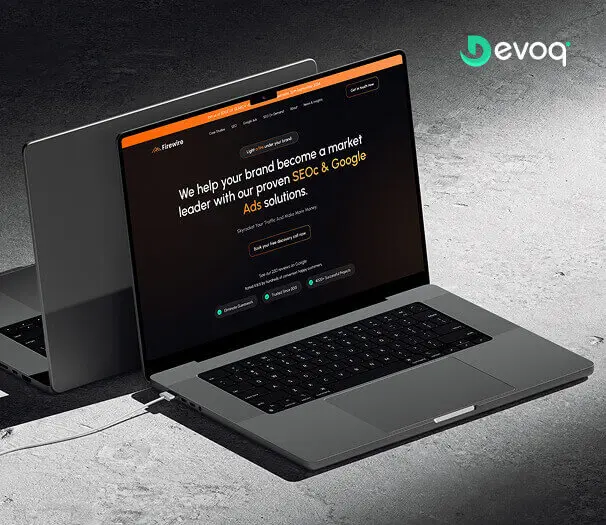
Real product interface work from the Devoq Design portfolio, including named studies such as Firewire, Buzops, Cadre Crew, Wealth Bridge and Angel Care.
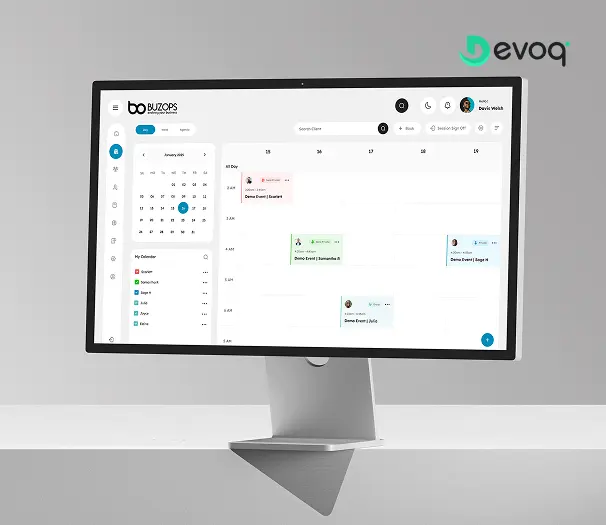
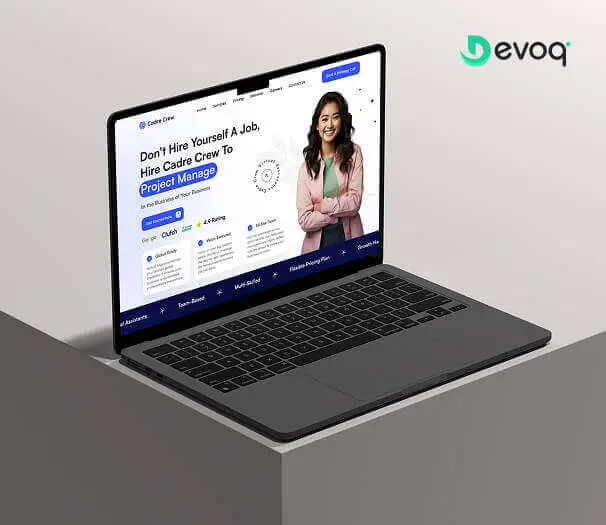
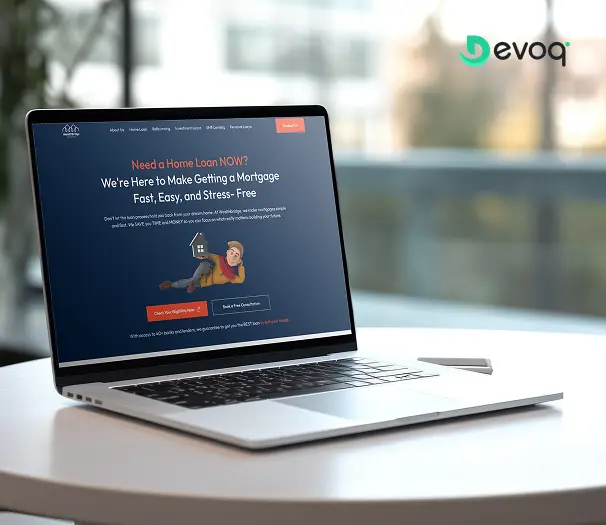
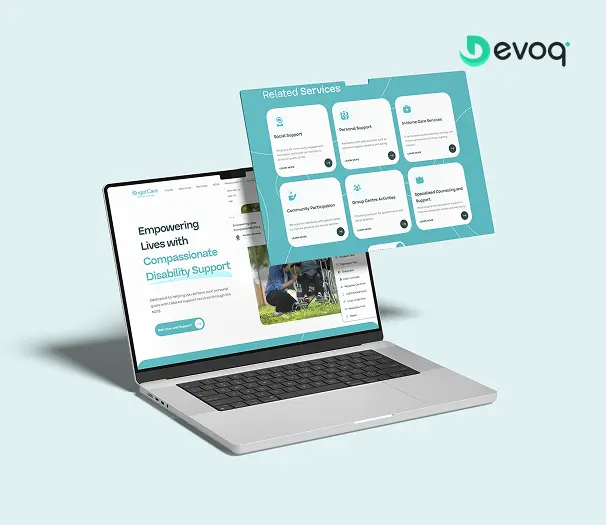
Want the story behind these case studies?
We will walk you through the interface decisions, what we changed in the journeys and how handoff worked with engineering, under NDA, with people who did the work.
Not ready to hire? Get a free UX audit firstYour Dedicated TeamRoles you can hire around a UI/UX designer
Start with one interface owner and add partners as scope grows. Every role below can work under the same engagement terms when you need a pod rather than a single seat.
UI/UX Designer
Owns research inputs, flows, UI, prototype and handoff for the product interface in scope.
UX Researcher
Deeper studies and usability sessions when qualitative evidence must lead a major journey change.
Visual / brand-adjacent designer
Supports product UI with brand-consistent illustration or marketing siblings when those surfaces touch the product.

Front-end Developer
Implements the interface in code when you want design and build inside one studio rhythm.

Product / delivery manager
Backlog grooming, review cadence and one written status your stakeholders can rely on.
QA partner
Checks implementation against designed states and journeys before release candidates go wide.

Mobile engineering partner
When companion app screens move from Figma into native or cross-platform builds.
SaaS product design specialist
Escalate here when live product metrics and feature UX inside an existing SaaS become the center of the brief.
What You ReceiveDeliverables at the end of every engagement
Handover is a defined stage of the work, not a negotiation at the end of it. Everything listed here transfers to you regardless of how the engagement concludes.
Working Figma files you own
Editable source for flows, UI and prototypes: transferred to your organization, not locked behind a vendor account.
User flows and IA artefacts
Maps and diagrams that explain how journeys connect, so future teammates inherit structure, not only pretty frames.
Component set and styles
Named components and styles for the screens in scope, ready for your team to extend without inventing a parallel system.
Clickable prototype
A reviewable prototype of critical paths that matches what engineering is expected to build.
Annotated handoff notes
States, spacing and behavior documented so developers are not reverse-engineering intent from static screenshots.

Handover walkthrough
A recorded or live walkthrough for your team, plus a defined window for post-handoff clarification on the delivered files.
Expert AdviceBest practices when you hire a UI UX designer
Five things we would tell a founder or PM hiring their first product interface owner, whether or not they hired us. These are operating habits that keep design spend pointed at journeys people finish.
Trial on a real journey, not a Dribbble critique
Give candidates a genuine product path from your backlog. Evaluate how they structure flows, specify states and explain trade-offs to engineering, not only how polished a past mock looks in isolation from your constraints.
Hire for ownership of the layer, not a single craft label
If you need research through handoff under one seat, say so in the brief. Separating “just UI” from “just UX” without a connecting owner is exactly how orphaned files and Slack-thread handoffs return.
Settle Figma and IP ownership before kickoff
Agree who owns the files, where they live, and how access transfers if the engagement ends, before anyone draws the first frame. Fixing ownership mid-project is how teams lose their only source of truth.
Invite engineers into design reviews early
Feasibility conversations in week one prevent handoff fights in week six. The designer who welcomes engineering constraints will out-ship the one who only optimises for the portfolio shot.
Weight communication as heavily as craft
In a distributed product team, the designer who writes clear updates and flags open decisions early will beat a stronger visual stylist who disappears between reviews and forces the PM to chase status.
Things To KnowCommon mistakes to avoid
The five failure patterns we see when interface work arrives mid-flight, or after a painful release that made “hire ui ux designer” feel urgent for the wrong reasons.
Buying “UI for SaaS” when you need a generalist owner
If your problem is no interface owner, do not narrow the hire to activation metrics language in the title and brief. That SaaS product designer lane exists: use it when product analytics truly drive prioritisation.
Calling every product designer a mobile app designer
Platform HIG/Material shipping and store listing craft are a different hire. Stretching a generalist (or mislabelling them in job posts and page copy) creates the wrong expectation for both sides.
Starting high fidelity before flows are agreed
Polished screens on wrong structure produce expensive rework. Lock journeys and hierarchy first; beauty is cheaper after structure is true, and stakeholders argue less when the click path is already settled.
Treating handoff as a ZIP of screenshots
Without states and behavior notes, engineers invent the product. Budget design QA against builds or accept drift as an unofficial feature of every release.
Hiring three specialists before one generalist
Early teams often need a single accountable path more than a research pod, a UI seat and a design-ops hire competing for ownership of the same screens.
Support & MaintenanceWhat happens after the first interface ships
Shipping a journey is when real usage starts producing information. Ongoing design support is structured around acting on that information, not freezing a file nobody is allowed to touch.

Design QA on continuing releases
As engineering ships, we check new builds against the source of truth so small drifts do not become a second unofficial UI system.
Component and pattern upkeep
When features add net-new patterns, we fold survivors into the component set and retire one-offs that would otherwise fork the product look.
Friction-driven iteration
Support tickets, session notes and stakeholder feedback feed a prioritized design backlog for the next path to improve.
Flexible embedded capacity
Keep a designer part-time for steady product change, or surge for a redesign window, without restarting vendor onboarding from zero.
Client FeedbackWhat clients say after working with us


“The client was pleased with Devoq Design’s thorough understanding of each design stage. They seamlessly integrated into the internal team, providing helpful critiques and insights. They regularly communicated via phone, email, and Slack. Devoq Design’s collaborative approach stood out.”
“Devoq Design has completed the design phase, and the client is very satisfied with the new layout. The service provider is responsive and incorporates the client's feedback. The client has been impressed with Devoq Design's ability to create both strategic and beautiful designs.”
“The project is still ongoing, but Devoq Design has already delivered functional components of the client's product. The team establishes a collaborative workflow through clear and constant communication, they always provide updates on the project's progress. They're also skilled at what they do.”
Frequently Asked QuestionsCommon questions about hiring UI/UX designers
What does a dedicated UI/UX designer at Devoq Design do?
A dedicated UI/UX designer owns the full interface layer: discovery inputs, information architecture, wireframes, UI across supported breakpoints, clickable prototypes and annotated developer handoff. At Devoq Design that generalist embeds with your founder or PM (standups, backlog, design QA) so research through handoff stays one accountable path rather than fragmented freelance outputs. They are the default product-design hire when the brief is “own the product interface,” not a single specialized bottleneck.
How is this different from a research-only UX engagement?
A research-only UX engagement stays research, usability and IA-forward without owning visual UI delivery. The UI/UX designer lane combines UX structure with UI craft and developer-ready handoff under one seat. If you need studies and usability depth without owning visual UI, say so on the discovery call; if you need the whole interface owned end to end, hire UI/UX. Framing the ask clearly avoids paying for the wrong seat.
Can one designer cover web product UI and some mobile screens?
Yes, when mobile screens share the same product model and you need responsive or companion UI, a generalist can cover that breadth. If the center of the brief is iOS Human Interface Guidelines, Material patterns, gestures, offline/permission states or store listing design, use the mobile app designer hire instead. Mislabeling a generalist as a “mobile app designer” is how expectations break on both sides.
Is this the right hire for a live SaaS focused on activation and retention?
Only if what you primarily need is a generalist interface owner. When the brief is metrics-led product design inside an existing SaaS (onboarding, activation, feature adoption with usage-informed prioritisation) hire a SaaS product designer. UI/UX may still work on SaaS products; this page is intentionally not titled or framed “for SaaS” as the primary promise.
Do you primarily fix Figma libraries, variables and Dev Mode?
No. UI/UX designers use Figma as the design and handoff environment. If your bottleneck is library recovery, variables architecture, token systems or org-wide file hygiene, that is a Figma designer engagement. Ask us which lane fits before you stretch a product generalist into design-ops work that will starve journey delivery.
How quickly can a UI/UX designer join my team?
Join speed depends on seniority and your interview availability, not a fixed day-count on this page. After discovery we shortlist matched designers, run your interviews and validate with a trial sprint on a real backlog slice before you commit: ask for current capacity on the discovery call.
Who owns the Figma files and intellectual property?
You do. At Devoq Design, designs, prototypes and documentation are assigned to you contractually, with working Figma access transferred to your organization rather than locked in a vendor-only account. Ownership and transfer expectations are written at kickoff, not negotiated in an exit week.
What happens if the designer is not the right fit?
Dedicated engagements include a trial sprint before commitment and replacement cover within the first 30 days, with managed knowledge transfer so you do not restart from an empty file and a lost decision history. Continuity is a studio responsibility, not only an individual freelancer’s goodwill.
Can you take over an inconsistent existing product UI?
Yes. We audit live journeys and the current design estate first, identify which paths generate friction, then rebuild a clean source of truth for those journeys and a component set scoped to what you will actually maintain, without insisting on a total visual reboot on day one if that would freeze shipping.
How long does a typical UI/UX engagement take?
It depends on journey count, design debt and decision speed. A focused path redesign, a multi-surface consolidation, a greenfield foundation and ongoing embedded design each sequence differently. We scope after discovery and revise at review boundaries rather than promising a fixed ship date from a sales call or inventing week-count guarantees.
What is the difference between a freelancer and a dedicated UI/UX designer?
A dedicated designer embeds in your process: reviews, backlog ownership and continuity across releases. A freelancer typically delivers isolated frames without long-term ownership of flows, states or handoff quality. Continuity, vetting depth and contractual IP/file ownership are the practical differences that show up after the first sprint, when orphaned files usually appear.
Do you provide support after the first handoff?
Yes. Ongoing work can include design QA on continuing releases, component upkeep, friction-driven iteration from feedback, and flexible embedded capacity when your roadmap keeps changing after the first journeys ship. Launch is when real usage starts producing information worth designing against.
Related ServicesExplore other ways we can help
UI/UX generalists sit beside specialist and engineering hires. These adjacent paths are the ones teams combine most often: each with a distinct center.
Hire SaaS Product Designer
When a live SaaS needs metrics-aware feature and activation UX, not a greenfield interface owner.
ExploreHire Mobile App Designer
When iOS/Android platform conventions, gestures and store listing visuals are the brief.
Explore
Hire Figma Designer
When libraries, variables and Dev Mode hygiene (not journey strategy) are the bottleneck.
Explore
Hire Dashboard Designer
When dense admin tables, filters, charts and RBAC views are the painful surface.
Explore
Hire iOS Developers
Native engineering when designs are ready to become App Store-shipped products.
Explore
Hire Website Designer
Marketing sites and landing experiences when the need is brand-led web, not product UI ownership.
Explore
Ready to hire a UI UX designer for your team?
Book a free consultation. We will scope the interface work, recommend an engagement model and share matched designer profiles. No obligation and no pressure script.
Book a 30-minute call
Pick a slot. The Google Meet link arrives by email.