Storefronts, product pages, checkout and shopping apps
Ecommerce UI/UX Design Services
Devoq Design designs ecommerce experiences that help shoppers find, trust and buy: storefronts, product pages, carts, checkout flows and shopping apps. Research-led, measured against revenue per visitor rather than screenshots, and accessible to WCAG 2.2 AA, with senior designers deciding what reaches your store.
Ecommerce design that treats every extra tap as lost revenue
Online shoppers leave for small reasons, and most of them are design decisions. A parent on a phone during a commute taps a filter, the page reloads and the filter resets, so they give up on the category. A first-time buyer opens the size guide, it loads as a separate page, and the product is gone from the back button. A returning customer reaches the last checkout step and sees shipping for the first time, then goes to compare on a marketplace. A merchandiser builds a campaign page from blocks never designed to sit together, and the layout breaks on tablets. We study how your shoppers browse, compare and pay, using analytics, recordings and interviews, then redesign the path from landing page to confirmation with that evidence. Filters keep their state, product pages answer fit and delivery questions in place, totals appear early, and campaign modules are built to be rearranged. Whether you run a Shopify store, a headless build or a marketplace like Adberry, we deliver design your developers can implement and your analytics can measure.
Our Services
Design services shaped by retail and direct-to-consumer commerce, from storefronts to shopping apps:
Ecommerce App Design
Shopping apps with fast search, saved carts, wallet payments and order tracking designed mobile-first for repeat buyers, with notifications and loyalty that customers can control rather than mute.
Storefronts and product pages optimized for conversion, speed, search visibility and accessibility on any device, with templates your merchandising team can reuse for launches and seasonal campaigns.
Ecommerce UI/UX design by Devoq Design covers the parts that move revenue:
Friction found with evidence
Session recordings, funnel data and shopper interviews pinpoint where people stall, so redesign effort goes to the pages that lose the most revenue. A UX audit usually comes first: it ranks the leaks by traffic and drop-off, so nobody redesigns the homepage when the loss sits in the variant picker.
Checkout built for payment compliance
Card entry, wallets and saved payment methods are designed to work with hosted fields and the requirements in PCI DSS, keeping the experience quick and your security scope small. A good checkout shows the full total before payment, accepts guest orders and recovers from a declined card without emptying the cart.
Accessible to WCAG 2.2 AA
Contrast, keyboard use, focus states and clear form errors are checked, which also helps retailers selling into the EU, where the European Accessibility Act has applied since 28 June 2025. Accessible stores are easier for everyone: a labeled quantity field and an error that says what to fix cut support tickets as well as risk.
Ready for AI-assisted shopping
Salesforce reported in July 2026 that AI influenced 20% of global online holiday sales in 2025, worth USD 262 billion. We design product data and pages that assistants and shoppers can both read: consistent titles, attributes that describe material and fit, delivery terms in text rather than images, and on-site assistants with visible limits.
Fashion and Apparel
Home and Lifestyle
Marketplaces
Subscription and DTC Brands
Approach Section
Our Approach to Ecommerce UI/UX Services
Discovery and Research
01
Analytics and funnel review, customer interviews, a competitor scan and an audit of the catalog and merchandising structure. We interview recent buyers and recent abandoners and map which templates carry the most traffic, so scope is set by revenue at stake.
Wireframes and Prototypes
02
Clickable flows for browse, search, product detail, cart and checkout, tested with shoppers before visual design. Prototypes use your real catalog, including long variant lists and out-of-stock items, because the hard cases are where layouts break.
UI Design
03
A brand-true visual system with accessible color and type, reusable product and promotion modules, and tokens for engineering. Every module gets stock, sale, bundle and error states, so a campaign page built next quarter still behaves like the pages we tested.
Usability Testing
04
Task-based sessions where shoppers find a product, choose a variant and pay, with fixes shipped before handoff. We watch for hesitation around delivery cost, returns and sizing, the three questions that most often end a session.
Handoff and Optimization
05
Developer-ready files for your platform, then experiments and improvements guided by live conversion data. After launch we set up a conversion optimization backlog of tests on filters, product pages and checkout, each with a measurement plan.
Why Devoq Design?
We make the collaboration of people and interface more intensive and exciting.
Conversion-Led Design
Layouts judged by add-to-cart, checkout completion and revenue per visitor. We agree the metrics before design starts and review them with you after launch, so decisions rest on numbers rather than taste.
Platform-Aware
Designs that respect the limits and strengths of Shopify, Magento, BigCommerce, WooCommerce or a headless stack. We check what your theme and checkout extensions can do before drawing a screen your developers cannot build.
Mobile First
Thumb reach, tap targets and load speed treated as the primary brief for most of your traffic. Sticky add-to-cart bars, single-column checkout and image weights are decided on a phone, then scaled up to desktop.
Merchandising Flexibility
Modules your team can rearrange for launches and sales without calling a designer. Hero, collection and promotion blocks come with rules for spacing and image crops, so a campaign built on Friday still looks like the brand.
Search and Discovery Focus
Navigation, filters and on-site search designed to get shoppers to the right product quickly. We study search logs and zero-result terms, name categories in shopper language and design filters that keep their state between pages.
Rapid Drafts, Senior Review
AI drafts about 5x faster, with senior review of every screen. AI-assisted drafting speeds up layouts, copy variants and research summaries, and a senior designer approves what reaches your store.
Discover Our Case Studies
Explore Compelling Case Studies: Real Solutions, Real Success Stories
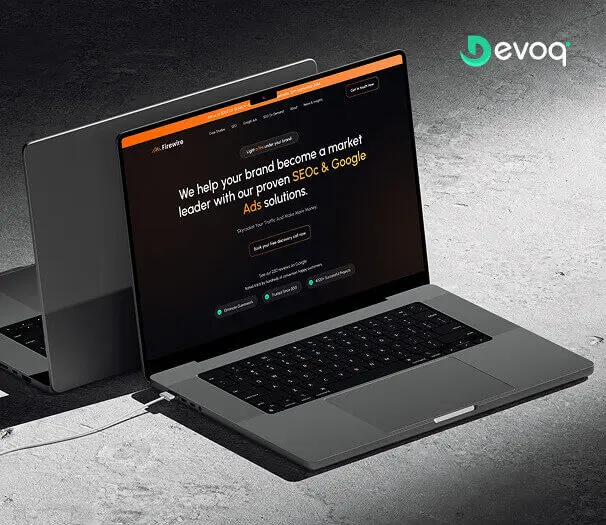
We crafted a sleek and intuitive website for Firewire, a digital marketing company specializing in SEO and Google Ads, to showcase their expertise and results. Our design highlights their data-driven approach to connecting businesses with their audience.
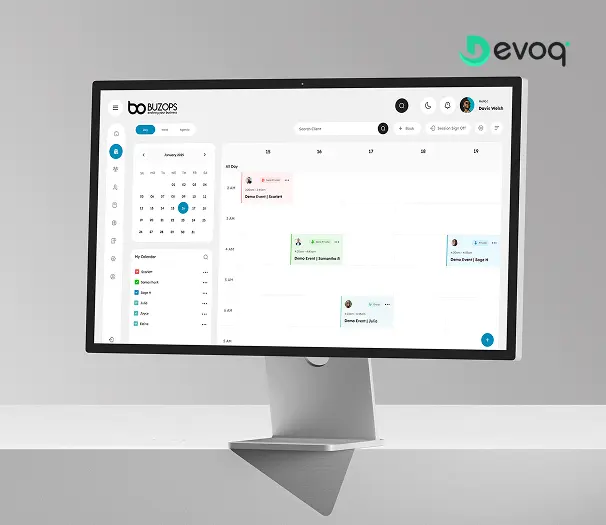
We created a clean and scalable SaaS experience for Buzops, helping businesses manage operations, automate workflows, and improve customer engagement through a unified platform.
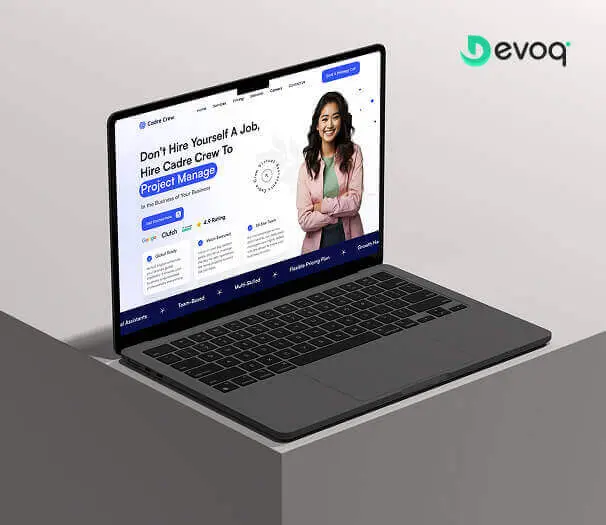
We designed and developed a user-friendly website for Cadre Crew, a company that helps growing businesses scale operations with virtual assistant and project management services. Our goal was to create an intuitive and efficient experience for their users.
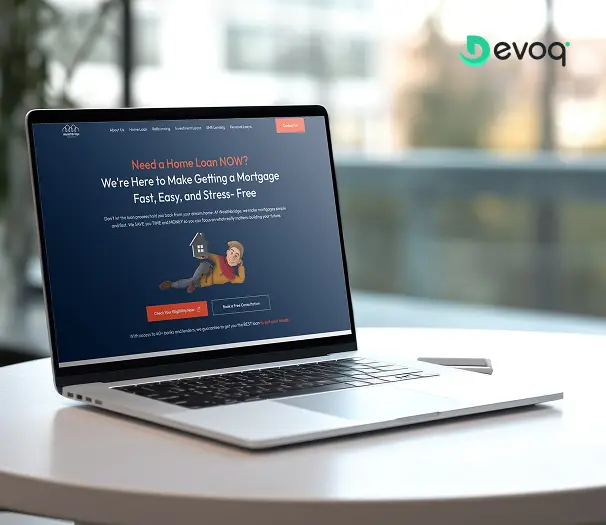
We built a modern online platform for Wealth Bridge, a mortgage and loan comparison service. The goal was a credible, easy-to-use experience that makes complex loan information simple. With a focus on clarity, performance and smooth interaction, the site helps borrowers compare home-loan products and choose the right one with confidence.
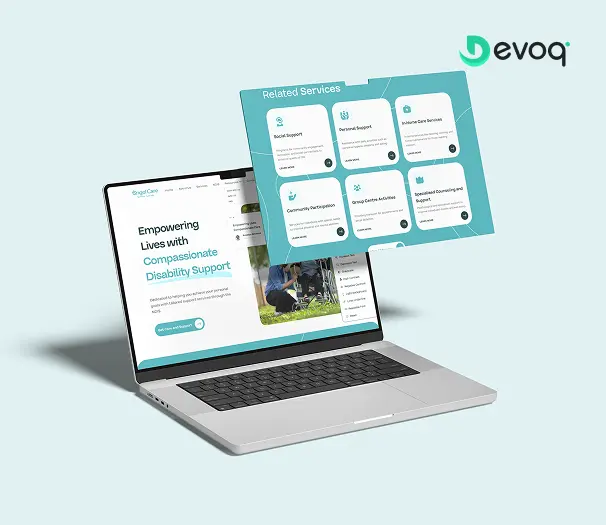
We created a compassionate and accessible digital experience for AngelCare, simplifying care discovery, improving NDIS understanding, and empowering users to access personalized support services with ease.
Research with your shoppers and your data, wireframes and clickable prototypes, visual design for storefronts and shopping apps, product page and checkout design, a design system your merchandising team can build with, accessibility checks to WCAG 2.2 AA and handoff to your developers. You choose whether we cover the website, the app or both.
Can you redesign our existing online store?
Yes, and that is the most common engagement. We review analytics, recordings and customer feedback to find where shoppers leave, then redesign those pages first, commonly navigation, product detail and checkout, while keeping your platform, catalog and integrations. Templates that already convert are kept, which protects revenue and avoids a risky all-at-once relaunch.
How much does ecommerce UI/UX design cost?
It depends on the number of templates, whether you need an app as well as a site, the size of the catalog and how much research and testing is included. After a short discovery call we scope either a fixed price for a defined set of templates and flows, or a monthly retainer for stores that keep testing and adding campaigns. Each line of the scope is explained before work starts.
How long does an ecommerce design project take?
The main drivers are the number of templates, how many customer types and devices we test with, how many integrations the checkout touches, and whether research and usability testing are included. A redesign of a few templates on an existing platform moves faster than a new storefront with a custom checkout. We agree milestones at the start.
Which ecommerce platforms do you design for?
Shopify, Shopify Plus, Magento, BigCommerce, WooCommerce and headless builds on frameworks such as Next.js. We design to the strengths of the platform, respect what its checkout and theme can do, and hand off as theme sections, component specifications or a token-based design system. If you are still choosing a platform, we lay out the design trade-offs before you commit.
How do you design for AI shopping assistants?
Adobe reported via eMarketer that AI chatbot traffic to US retail sites rose 670% year over year in the holiday season. We structure product titles, attributes, delivery and return terms so assistants quote them correctly, and design on-site assistants with visible limits, honest sources and a quick route to a person. A recommendation should be correctable in a tap, not accepted blind.
Do you design for European accessibility rules?
We design to WCAG 2.2 AA, which supports retailers who must meet the European Accessibility Act, in force since 28 June 2025, and is sensible practice for US stores as well. Contrast, keyboard paths, focus states, form labels and error messages are checked on every template. Your legal adviser confirms what applies to your business, and we do not provide legal advice.
Who owns the designs and the research?
You do. Figma files, prototypes, research notes and the design system live in your own accounts, and the contract assigns the intellectual property to you. Your developers and any future agency can build on the files without asking us, and we document the system so that is realistic rather than theoretical.