Horoscope, birth chart, compatibility and tarot apps
Astrology App Design and Development Services
Devoq Design designs and builds astrology apps for iOS and Android: daily horoscopes, natal charts, transits, compatibility, tarot and conversational readings. We plan the onboarding that captures birth data without losing people, the home screen that becomes a morning habit, and subscription flows that pass store review and keep subscribers happy.
Astrology app development designed for daily habit and honest monetization
Astrology apps are judged in the first two minutes and then every morning after. A new user who downloaded the app in bed at midnight is asked for a birth time she does not know, finds no way past the field and deletes the app before seeing a single reading. Someone who did finish onboarding opens the home screen on the bus and meets a paywall before any personal content, so the first impression is a price. A long-time user zooms into a natal wheel on a small phone, cannot tell a trine from a square, and the explanation underneath reads like a textbook. A notification arrives mid-afternoon saying only that a horoscope is ready, and the app is muted within a week. The apps that keep users share a few traits. Onboarding asks for birth date, time and place like a conversation, with an unknown-time option and a first reading as the reward. The home screen delivers something personal within seconds. Charts are legible on a small screen and explained in ordinary language, layered so beginners and practitioners both find their level. Paywalls appear after value, not before it. We design each of these moments and handle the mobile app development with your engineers or ours, covering widgets, push, sharing cards for social and the analytics you need to improve retention after launch.
Our Services
App design and development for astrology startups, publishers and practitioners:
Daily Horoscope Apps
Sign and rising-sign readings, moon phases and transit alerts with home-screen widgets and notifications tuned to morning routines, so the reading is one glance away before the day begins and the app earns its place on the first screen.
Birth Chart and Transit Apps
Natal wheels, aspect tables, progressions and transit timelines redrawn for mobile with layered explanations for every placement, so a newcomer reads the summary and a practitioner opens the full grid without leaving the screen.
Compatibility and Social Features
Synastry and composite views, friend charts, shareable cards and invite flows that bring in the people users care about, designed so a shared card looks right in a group chat and leads a new person into onboarding.
Tarot, Numerology and Journaling
Card pulls, spreads, numerology profiles and reflective journaling designed to sit alongside horoscope features in one product, with a shared visual language so the app feels like one experience rather than a bundle of features.
Conversational Reading Features
Chat-based readings with generated-content labels, human astrologer handoff and in-app purchase of live sessions, designed so the conversation knows the user's chart and a practitioner can pick up the thread when the user asks for more.
Features/Why Choose Us
Onboarding that captures birth data
Date, time and place of birth collected step by step with an unknown-time option, a place search that handles small towns and old names, and an instant first reading as the reward. A good onboarding feels like being asked about yourself; a bad one feels like a form, and every required field without an explanation is a point where people quit before the app has shown them anything.
Habit loops without nagging
Notification timing, home-screen widgets, streaks and daily content planned so the app becomes a ritual rather than a source of unsubscribes. We design the notification to carry a real fragment of the reading, let users choose the hour, and test the widget at a glance, because a daily app that interrupts at the wrong moment is muted at the system level and never seen again.
Paywalls after the first delight
Trial, pricing and renewal terms displayed clearly, cancellation accessible in-app and purchase screens that meet Apple and Google guidelines. We place the paywall after the first personal reading, show what free and paid each include, and design the restore and cancel paths as carefully as the subscribe button, since confusing terms cost refunds and store rejections, and resentful subscribers churn at the first renewal.
AI readings with human oversight
Generated interpretations labeled as such, a route to a live astrologer and content rules that keep the tone supportive and avoid health, money or legal advice. We design what the user sees while a reply is generated, how the chat knows their chart, how a reading is saved, and where the invitation to book a human session appears, so the conversational feature deepens trust rather than replacing the practitioner.
Astrology Startups
Media and Horoscope Publishers
Practitioner-Led Apps
Wellness and Dating Products
Approach Section
Our Approach to Astrology App Design and Development
Discovery and Research
01
We interview your astrologers and a sample of target users, study competitor apps and store reviews for the complaints that repeat, and look at the chart engine or API you plan to use, because its output shapes what the screens can show. Then we define the retention and revenue goals the design will be measured against.
Flows and Prototypes
02
Clickable prototypes for onboarding, daily reading, chart exploration, compatibility and subscription, tested with target users on real devices. We watch people enter a birth time they are unsure of, find today's reading and decide whether to subscribe, and we fix the hesitations before any visual polish is applied.
UI Design
03
A distinctive visual language with legible glyphs, accessible dark-mode contrast and a component library ready for native or cross-platform builds. Celestial themes are tested for contrast and dynamic type early, because a beautiful dark gradient that fails on a bright train platform costs the morning reading.
Build and QA
04
Development with your team or ours, including widgets, notifications, in-app purchases and analytics events, tested across devices and OS versions. If you need a cross-platform team, our Flutter developers build from the same component library, and we test purchases, restores and time-zone edge cases before submission.
Launch and Optimization
05
Store listing assets and submission support, then retention, paywall and notification improvements driven by live usage data. We agree the events to track before launch, review onboarding completion, day-seven return and trial conversion with you on a fixed cadence, and ship changes in small releases.
Why Devoq Design?
We make the collaboration of people and interface more intensive and exciting.
Retention-Focused Design
Every screen judged by whether it brings the user back tomorrow, from the first onboarding question to the notification copy, and measured against onboarding completion, daily return and subscription renewal rather than opinion.
Store Review Experience
Purchase and subscription flows designed to match App Store and Google Play rules, with price, terms, restore and cancel in the right places, reducing rejections, resubmissions and the refund requests that follow confusing paywalls.
Charts Made Legible
Complex wheels, aspects and tables simplified for small screens without stripping the detail practitioners expect, using progressive layers: a plain summary first, the glyphs and degrees for those who tap deeper.
Design Plus Development
One team from prototype to shipped build, so what was tested with users is what reaches the store, and the design system, analytics events and purchase logic are built by people who sat in the research sessions.
Privacy Handled Carefully
Birth data, location and relationship details minimized and consented, with export and deletion designed into the account screens, aligned with GDPR, UK GDPR, CCPA, the Australian Privacy Act and store privacy labels for the markets you serve.
AI Speed, Senior Review
AI drafts layouts, copy and research summaries about 5x faster; senior designers decide every screen that ships, so you get the pace of a small team with the judgment of an experienced one.
Discover Our Case Studies
Explore Compelling Case Studies: Real Solutions, Real Success Stories
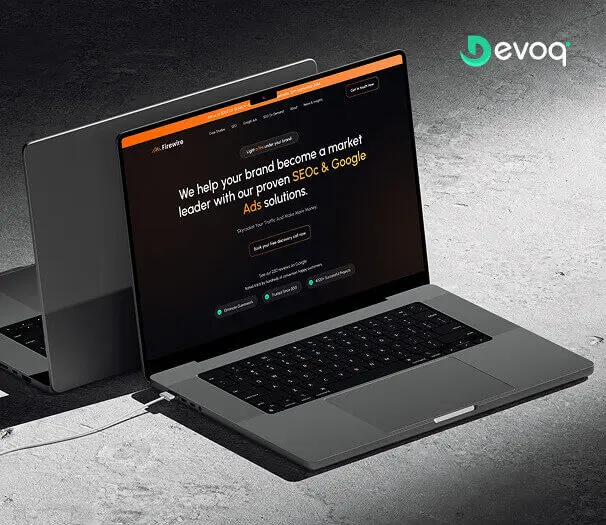
We crafted a sleek and intuitive website for Firewire, a digital marketing company specializing in SEO and Google Ads, to showcase their expertise and results. Our design highlights their data-driven approach to connecting businesses with their audience.
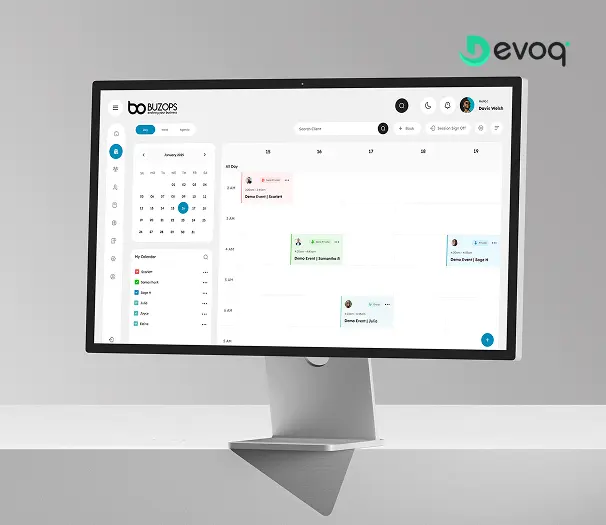
We created a clean and scalable SaaS experience for Buzops, helping businesses manage operations, automate workflows, and improve customer engagement through a unified platform.
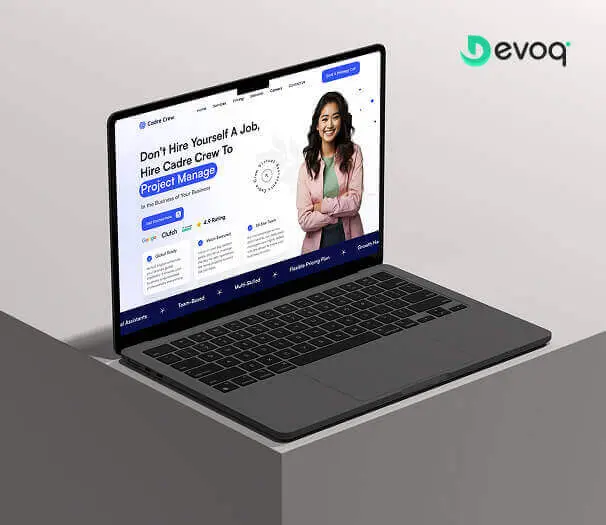
We designed and developed a user-friendly website for Cadre Crew, a company that helps growing businesses scale operations with virtual assistant and project management services. Our goal was to create an intuitive and efficient experience for their users.
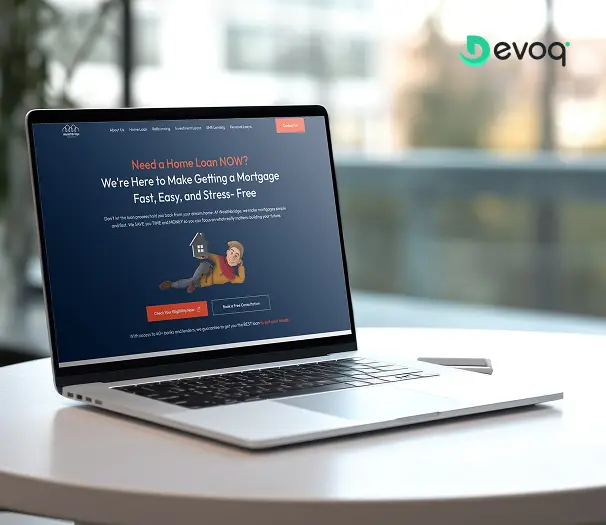
We built a modern online platform for Wealth Bridge, a mortgage and loan comparison service. The goal was a credible, easy-to-use experience that makes complex loan information simple. With a focus on clarity, performance and smooth interaction, the site helps borrowers compare home-loan products and choose the right one with confidence.
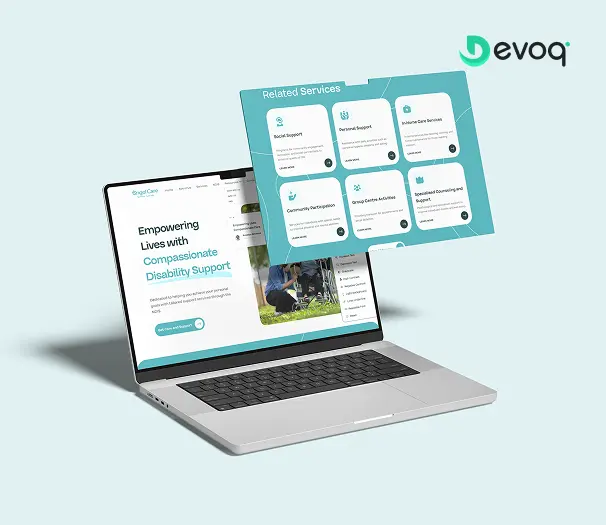
We created a compassionate and accessible digital experience for AngelCare, simplifying care discovery, improving NDIS understanding, and empowering users to access personalized support services with ease.
What does astrology app design and development include?
Research, user flows, clickable prototypes, visual design, a component library, development for iOS and Android with your engineers or ours, in-app purchase and subscription setup, widgets and notifications, chart engine integration, analytics events, store listing assets and post-launch optimization. You can take design only and hand off to your own team, or have one team carry the app from the first interview to the store listing and beyond.
Do you build the chart calculation engine?
We design around whichever engine you choose, such as Swiss Ephemeris or a hosted astrology API, and our developers integrate it. The interface, explanations, caching and data handling are what we design and build; the astronomy comes from a proven source. During discovery we check what the engine returns, for example house systems, aspects and transit ranges, so the screens are drawn against the data that will actually be there.
Can you redesign our existing astrology app?
Yes. We audit the current app, store reviews and retention data, then redesign the screens and flows that lose users, typically onboarding, the paywall and chart readability, while keeping your backend, accounts and subscriptions intact. Changes ship in stages, with existing subscribers seeing improvements rather than a shock, and each release is measured on onboarding completion and daily return before the next begins.
How much does astrology app development cost?
It depends on the feature set, whether you need one platform or both, the chart engine and integrations, whether conversational readings and live sessions are included, and whether we handle development as well as design. After a short discovery call we quote a fixed price for a defined scope, or propose a monthly retainer for an app that keeps adding features, seasonal content and experiments after launch. Both state what is included.
What determines the timeline?
The number of features in the first release, whether we are designing for one platform or two, how much work the chart engine integration takes, whether in-app purchases, widgets and notifications are in scope, and whether usability testing with target users is included. A daily horoscope app with one subscription tier moves faster than a full chart, compatibility and chat product. We agree the release sequence during discovery so the habit-forming core ships first.
How do you design subscriptions to pass app store review?
We show price, billing frequency, trial terms and cancellation before purchase, use native in-app purchase, keep restore-purchase accessible and avoid misleading countdowns or hidden terms. These are the issues that most often cause rejections and refunds. We also design the free tier so reviewers and users can see what the app does before paying, and we check the paywall copy against both stores' current guidelines before submission.
Can the app include AI-generated readings?
Yes. We design conversational readings with visible labeling that responses are generated, an option to book a human astrologer and wording rules that keep guidance supportive and away from medical, legal or financial predictions. The design covers how the chat knows the user's chart, the waiting state, saving and sharing a reading, and how a practitioner takes over a thread, so the feature feels like part of the app rather than a bolted-on chatbot.
Will the app be accessible?
We design to WCAG 2.2 AA where it applies to native apps: sufficient contrast on dark themes, dynamic type support, large tap targets and screen-reader labels for charts and symbols so placements are read aloud as words rather than skipped as images. Onboarding, the daily reading and the purchase flow are checked with VoiceOver and TalkBack, since those are the screens every user must get through.
Contact Us
Planning an astrology app? Let’s design it together